

When businesses plan a new facility, expansion, renovation, or office relocation, security is often addressed later in the process. Floor plans are finalized, construction schedules are established, technology decisions are made, and only then does the conversation shift toward cameras, access control, or infrastructure.
The problem is that security systems are rarely standalone additions. They become part of how employees move through the building, how visitors are managed, how critical areas are protected, and how technology connects throughout the facility. When security planning is delayed until the end of a project, businesses often find themselves making compromises that could have been avoided with earlier coordination.
ACRT works with commercial businesses throughout Minneapolis, Hopkins, and the surrounding Twin Cities area, helping organizations install access control, video surveillance, structured cabling, and audio visual systems that support the way the facility will operate once construction is complete.
Security Decisions Affect More Than Security
Many business owners think of security systems as a separate category from the rest of the project. Security decisions influence everything from cabling pathways and network infrastructure to door hardware and room layouts.
Consider access control. A card reader may appear to be a simple addition to a doorway, but the decisions surrounding that opening often involve electrical work, low-voltage cabling, locking hardware, user permissions, and the flow of people throughout the facility. Similar considerations apply to camera systems, which depend on thoughtful placement, reliable connectivity, and visibility into the areas that matter most.
When these conversations happen early, the resulting installation is typically cleaner, more efficient, and better aligned with the goals of the business.
Infrastructure Is Easier to Address Before the Walls Are Closed
One of the biggest advantages of early security planning is the opportunity to address infrastructure before the building is finished.
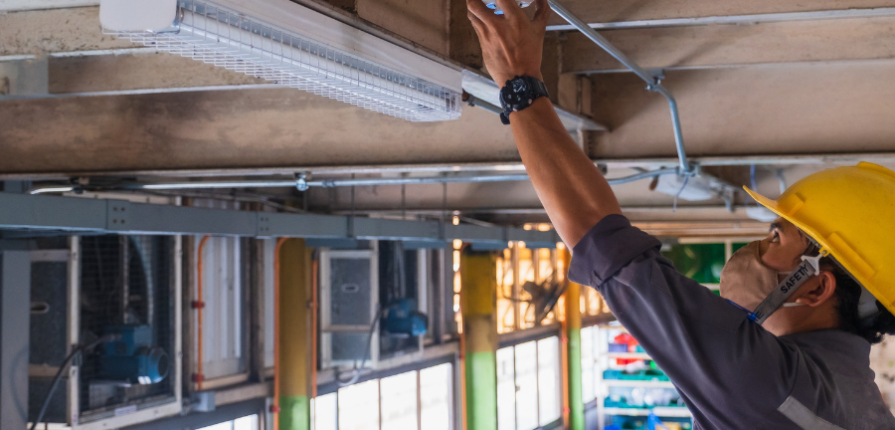
Structured cabling supports nearly every modern technology system within a commercial facility. Cameras, access control devices, conference room technology, and network-connected equipment all rely on properly installed cabling behind the scenes. Once construction is complete, adding or relocating cabling often becomes more expensive and disruptive than it would have been during the build process.
Planning infrastructure during construction creates flexibility for future technology needs while reducing the likelihood of costly modifications later.
Planning a new facility, office renovation, or commercial expansion project? ACRT works with businesses throughout Minneapolis and Hopkins on access control, video surveillance, audio visual systems, structured cabling, and system upgrades. Call (612) 512-0428 or visit https://acrtmn.com/contact-us/ to discuss your project.
One Project, Multiple Systems
Another challenge many organizations encounter is treating security, cabling, and technology systems as completely separate projects. While different systems serve different purposes, they frequently rely on shared infrastructure and affect many of the same areas within a building.
A typical commercial project may involve several systems working together, including:
- Access control systems that manage employee and visitor entry
- Video surveillance systems that provide visibility throughout the facility
- Audio visual systems that support meetings, presentations, and collaboration
- Structured cabling that connects and supports the technology infrastructure
Coordinating these systems during the planning phase helps reduce conflicts, improve installation efficiency, and create a more organized finished environment. For commercial businesses, that coordination can simplify project management while helping ensure that technology investments work together effectively.
Future Growth and Rework Are Closely Connected
Commercial facilities rarely remain unchanged for long. Teams grow, departments shift, and operational requirements evolve. A system designed only for today’s needs may become restrictive sooner than expected.
Considering likely growth during the planning stage can make future upgrades easier and reduce the disruption that often comes with expansion. It also helps businesses avoid one of the most common challenges in commercial installation projects: rework.
When security planning is delayed until the final stages of construction, devices may need to be relocated, additional cabling may be required, and infrastructure decisions may need to be revisited after work has already been completed. Addressing those considerations earlier creates more opportunities to make informed decisions before project constraints begin to limit available options.
Build Security Into the Project, Not Around It
Security systems perform best when they are considered part of the overall facility rather than an afterthought added near the end of construction.
Access control, surveillance, cabling, and supporting infrastructure all influence how a facility operates once the project is complete. When those systems are planned alongside the rest of the project, businesses are often in a stronger position to support current operations while accommodating future changes.
If your organization is preparing for a new facility, expansion, or renovation project, ACRT can help evaluate the requirements and develop an installation plan that aligns with how the business will operate once the work is complete. Contact ACRT at (612) 512-0428 or visit https://acrtmn.com/contact-us/ to discuss your project.
Leave a Reply