

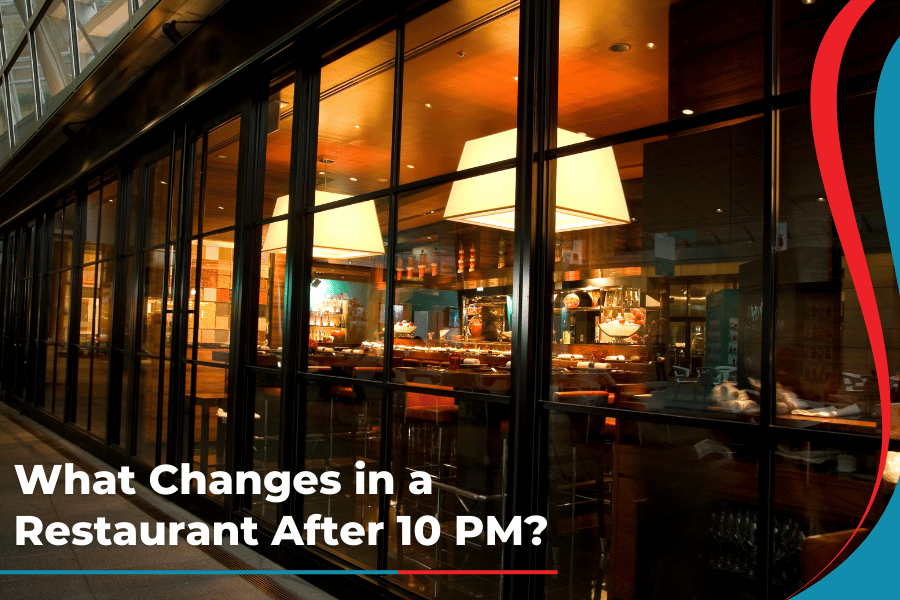
After 10 PM, most restaurants begin shifting into a different version of themselves. The dining room thins out, but the building doesn’t quiet down. Staff move through closing routines, reconciling tabs, counting cash, finishing prep, and receiving late deliveries. The pace is different from peak service, but the building is still active.
Those hours tend to show whether a security system really fits the space.
Across the Minneapolis–St. Paul metro, ACRT works with restaurants and bars that experience this shift every night. As the energy in the room changes, responsibilities narrow and visibility becomes more important. The system that felt sufficient during installation sometimes feels slightly out of step once those late-night routines become familiar.
What late hours tend to expose
During a busy dinner rush, small issues blend into the background. Once things slow down, patterns are easier to see. You notice where staff gather naturally, which entrances are used most often, and how lighting affects visibility at different points in the night. A system that once aligned with the layout can drift as the space evolves.
Security in restaurants rarely breaks in dramatic ways. More often, it loses alignment. A camera that once covered a primary area now captures secondary activity. A delivery entrance becomes the preferred staff entry. Bar traffic shifts as the room is rearranged. None of it feels urgent until footage needs to be reviewed and the coverage doesn’t quite reflect what happened.
Designing around how the space is actually used
When ACRT works with restaurant and bar owners throughout the Minneapolis area, the conversation starts with how the location operates after dark and during closing. We look at where accountability matters most and how staff actually move through the space. Camera views are adjusted to match real traffic patterns and lighting conditions, rather than staying fixed to the original floor plan.
That same thinking carries into how systems are maintained over time. As layouts change and routines shift, the system should shift with them. Adjustments don’t need to be dramatic. They simply need to reflect how the restaurant functions today.
Access after hours
Access control tends to become more complicated in hospitality environments as teams change. Keys move between shifts more than anyone intends, and over time it becomes less clear who should still have access to certain areas. Late hours make that uncertainty more noticeable.
We approach access with those realities in mind. Permissions are set around current roles and reviewed as responsibilities evolve, so access stays aligned with how the business actually runs. The goal isn’t to slow service or add friction. It’s to keep things clear and manageable.
Working with what’s already in place
Many restaurant locations in the Minneapolis metro come with equipment already installed, especially in second-generation spaces. Starting over isn’t always necessary. ACRT regularly reviews what’s in place, identifies what still makes sense, and brings the system into a structure that’s easier to support long term.
That approach keeps improvements practical while strengthening reliability and visibility.
When security stays out of the way
Restaurant owners usually aren’t looking for more hardware. They’re looking for consistency. Cameras that remain usable in low light. Access that stays organized as staff changes. A system that supports operations without demanding attention.
When security reflects how the restaurant actually runs, especially during late hours, it becomes part of the routine. It’s available when something needs to be reviewed and otherwise stays in the background.
If you operate a restaurant or bar in the Minneapolis–St. Paul area and your routines have shifted since your system was installed, it may be worth taking another look. You can contact ACRT here or call (612) 512-0428 to talk through your location and how it’s operating today.
Leave a Reply